
How to Get a PCO Licence: The Complete Guide (2026)
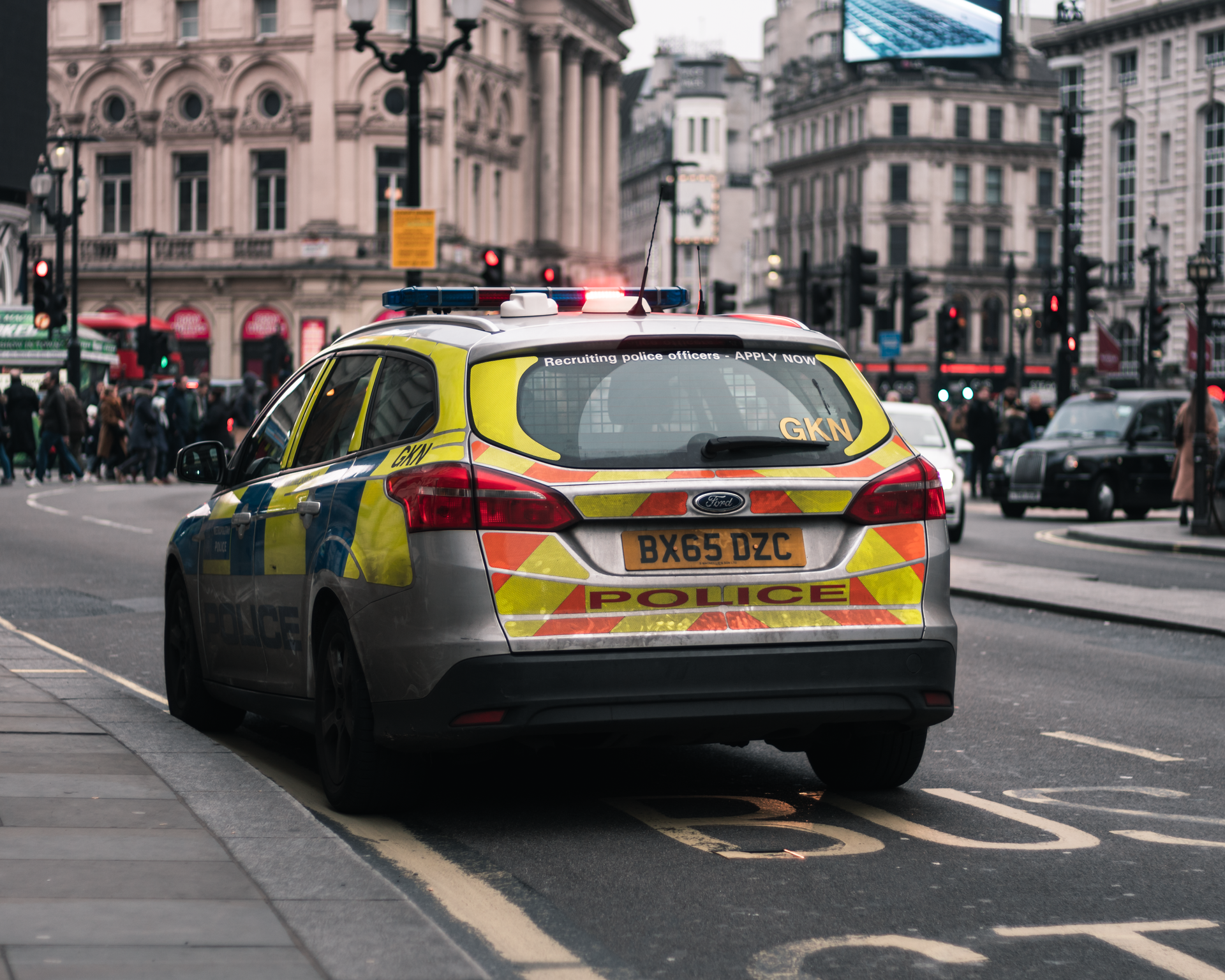
If you're thinking about becoming a private hire driver in London, one of the first things you'll need to get your head around is the PCO licence. PCO stands for Public Carriage Office, which is the division of Transport for London responsible for licensing private hire vehicles and their drivers. Without a PCO licence, you cannot legally work as a minicab or private hire driver in the capital.
This guide walks through every stage of the process, from eligibility and application to the checks involved and the vehicle requirements, so you know exactly what to expect before you start.
What Is a PCO Licence?
A PCO licence is the official authorisation issued by TfL that allows you to drive passengers in private hire vehicles across London. It's separate from your standard driving licence and specific to private hire work, as distinct from black cab taxi driving, which requires an entirely different licence and the famous Knowledge of London test.
There are two main types of PCO licence you'll encounter: a private hire driver licence, which is what you need personally as a driver, and a private hire vehicle licence, which covers the car itself. You need both in place to operate legally. Some operators also hold operator licences, but as a driver, the driver licence is your primary requirement.
For a full background on what being a PCO driver involves day to day, our earlier article on what is a PCO driver is worth reading before you start the application process.
TfL sets a clear set of eligibility requirements before you can apply for a private hire driver licence:
● You must be at least 21 years old
● You must hold a full UK or EU driving licence (or equivalent)
● You must have held your driving licence for at least 3 years
● You must have the right to work in the UK
● You must pass a DBS enhanced criminal record check
● You must meet the medical standards set out by TfL
● You must pass a topographical skills assessment
● You must complete a safeguarding awareness course
TfL will also carry out checks on your driving record, so any serious motoring convictions or endorsements may affect your application. A full list of relevant offences is published on the TfL website.
Step 1: DBS Enhanced Check
The Disclosure and Barring Service (DBS) enhanced check is a mandatory part of the PCO licence application. It reveals any criminal record, including spent and unspent convictions, cautions, reprimands, and warnings, and checks you against the children's and adults' barred lists given the safeguarding responsibilities that come with carrying passengers.
You'll need to apply for this through a TfL-approved DBS umbrella body and provide the certificate as part of your licence application. The check typically takes one to two weeks to come through, though this can vary. It's worth starting this process early, as it's often the longest single step in the timeline.
Step 2: Medical Assessment
TfL requires all private hire driver applicants to meet Group 2 medical standards, the same standard applied to lorry and bus drivers. This is a higher bar than a standard driving licence medical and covers a range of conditions including vision, cardiovascular health, and neurological conditions.
You'll need to complete a medical examination with a GP or approved medical practitioner, who will fill in TfL's D4 medical examination report. If you have any existing health conditions, it's worth checking TfL's guidance on whether they're likely to affect your application before paying for the examination.
Step 3: Topographical Skills Assessment
Unlike black cab drivers, PCO licence holders don't need to pass the full Knowledge of London test. However, you do need to demonstrate a working understanding of London's geography through TfL's topographical skills assessment, a multiple-choice test covering streets, landmarks, boroughs, and key locations across the capital.
The test is taken at a TfL-approved assessment centre. Plenty of revision materials are available online, and most candidates spend a few weeks preparing before sitting it. Our earlier guide on
how to become a private hire taxi driver has some useful pointers for the preparation stage.
Step 4: Safeguarding Awareness
TfL introduced a mandatory safeguarding training requirement to help drivers recognise and respond to signs of child sexual exploitation and modern slavery. You'll need to complete an approved online or in-person course and provide your certificate as part of your application. Several providers offer this training, typically at low cost, and it can usually be completed in a couple of hours.
Step 5: Vehicle Requirements
Once your driver licence is in place, you'll also need a licensed private hire vehicle. TfL sets out specific requirements for vehicles, covering age, condition, insurance, and emissions standards. Key points include:
● The vehicle must be a saloon, estate, MPV or similar, with a maximum of eight passenger seats
● It must be less than a certain age at the point of first licensing (TfL updates these requirements periodically, so check the current rules on their website)
● It must meet the relevant emission standards for the zone in which it will operate, including compliance with ULEZ if operating in Greater London
● It must have the appropriate insurance for private hire use, which is different from standard personal motor insurance
Our existing article on PCO vehicle licensing goes into more detail on the vehicle side of the process if you're at the stage of choosing your car. It's also worth checking our vehicle dimensions and carrying capacity guide if you're comparing vehicle classes before purchasing.
Step 6: Submitting Your Application
Once you have your DBS certificate, medical report, topographical assessment pass certificate, and safeguarding training certificate in hand, you're ready to submit your application to TfL. This is done through the TfL licensing portal, and you'll need to pay the application fee at this stage.
TfL's current processing times are published on their website and vary depending on demand. First-time applications typically take longer than renewals, so plan for several weeks between submission and receiving your licence. During that time, TfL may request additional documentation or clarification, so keep an eye on any correspondence from them.
How Much Does a PCO Licence Cost?
The costs involved include the TfL application fee (currently around £120–£140 for a new application, though fees are updated periodically), the DBS check fee, the medical examination fee, and any training or assessment costs. In total, most applicants spend between £250 and £400 before they're fully licensed, not including the cost of getting their vehicle licensed separately.
Licence renewals are cheaper and simpler than new applications, as some checks don't need to be repeated in full.
Driving With Zedcarz Once You're Licensed
Once you hold a valid PCO licence, you're ready to register with a licensed operator. At Zedcarz, we're always looking for experienced and newly licensed private hire drivers to join our team across Surrey and South West London. We offer flexible working arrangements and ongoing support, whether you're full-time or looking to take on additional work around other commitments.
Once you're on the road, download the
Zedcarz app to manage your bookings and stay connected with the team. If you're an existing Zedcarz driver and need to access your account or renewal documents, head to the
existing driver portal.
More posts